Scoring Your Credit: Understanding Your FICO® Score Before Applying for a Washington Mortgage
Planning to buy or refinance a home in Seattle or elsewhere in Washington State? Your credit history and credit scores help lenders evaluate your application and determine available financing options. Your score matters, but lenders also review your income, debts, assets, down payment, and the property itself.
If you are considering a new mortgage, complete our Quick Form to request an informational financing review.
Key Takeaways
- Base FICO® Scores generally range from 300 to 850.
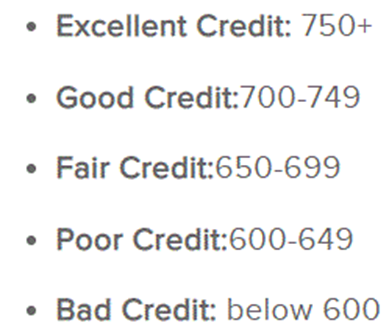
- You have multiple credit scores, and the score shown in an app may differ from the score used for your mortgage.
- Payment history, credit card balances, account age, new credit, and credit mix can affect your score.
- Checking your own credit report does not lower your credit score.
- Reviewing your credit early gives you time to address errors and discuss financing options before making an offer.
How Credit Scoring Works
A credit score is a numerical assessment of credit risk based on information in your credit report. Scoring models evaluate patterns in your borrowing and repayment history to help lenders assess the likelihood that you will repay a loan as agreed.
FICO® Scores, developed by Fair Isaac Corporation, have long been used in mortgage lending. However, there are different FICO® versions and other scoring models. The score a lender uses depends on the loan program and applicable requirements.
Base FICO® Scores generally range from 300 to 850. Higher scores generally indicate lower predicted credit risk. Your score is one part of the lending decision; it does not summarize your entire financial situation.
Why Your Credit Scores May Differ
The three nationwide credit reporting companies are Equifax, Experian, and TransUnion. Their reports may contain different information because creditors do not always report the same accounts or update each bureau at the same time. Scores can also differ because of the scoring model and the date they were calculated.
Mortgage lenders commonly obtain information from all three bureaus. When three usable scores are available, many programs use the middle score for an individual borrower. Requirements can differ when there are fewer scores, multiple borrowers, or different underwriting methods. Ask which score and model apply to your particular loan.
Mortgage scoring options are also evolving, including expanded availability of VantageScore® 4.0 for eligible conventional lending. A free score from a bank or credit-monitoring app may be useful for tracking changes, but it may not match the score used by your mortgage lender.
What Factors Affect Your Credit Score?
Scoring formulas vary, but the following areas commonly influence your credit profile:
- Payment history: Whether you pay accounts as agreed, including any reported late payments, collections, or other negative information.
- Balances and credit utilization: How much you owe, particularly the portion of your available credit card limits you are using.
- Length of credit history: The age of your accounts and how long you have managed credit.
- New credit and inquiries: Recent applications for credit and newly opened accounts.
- Credit mix: Your experience with different types of accounts, such as credit cards and installment loans.
How Credit Scores Affect Washington Mortgage Options
Your credit score can influence both loan eligibility and pricing. Depending on the program, a stronger credit profile may provide access to more financing options or more favorable pricing. A lower score may lead to additional pricing adjustments, different requirements, or fewer available programs.
In higher-priced markets such as King, Snohomish, and Pierce Counties, differences in financing costs can meaningfully affect your budget. However, a particular score increase does not automatically produce a lower rate. Loan amount, down payment, occupancy, property type, and lender guidelines also matter.
Practical Ways to Improve Your Credit
Building a stronger credit profile usually takes consistent habits. Some changes may appear after updated account information is reported, while others take longer. No one can guarantee a particular score increase or timeline.
- Pay on time: Use reminders or automatic payments to help avoid missed due dates.

- Reduce revolving balances: Lower credit card balances relative to available limits may help your credit profile.
- Limit unnecessary applications: Apply for new credit when you need it, rather than opening accounts simply to chase a score.
- Review reports for errors: Dispute inaccurate, incomplete, or outdated information with the credit bureau and the company that reported it.
- Discuss changes before applying: Before closing accounts or making major credit changes during the mortgage process, review the potential effect with your mortgage professional.
For additional ideas, review 14 ways to raise your credit score and 13 ways to raise your credit score. You can also test your knowledge with our credit score myths or facts resource.
Be cautious of credit repair services promising immediate results or guaranteed removal of negative information. You can dispute errors yourself at no cost. Accurate negative information generally cannot be removed simply because it affects your score.
How to Get Your Credit Reports and Scores
Your credit report and credit score serve different purposes. The report lists your credit accounts and reported history; the score is calculated using information from that report.
- Free credit reports: You can obtain free weekly online reports from each of the three nationwide bureaus through AnnualCreditReport.com. A credit score is not included as part of these free reports, and you do not need to purchase a score or monitoring service to access them.
- FICO® Scores and related products: www.myFICO.com offers credit education and score-related products. Check which bureau reports and score versions a product includes, along with any fees or subscription terms.
For help getting started, read how to obtain your free credit report and credit score and follow our step-by-step credit report instructions.
Checking your own credit report does not lower your score. Reviewing it early can help you identify unfamiliar accounts, incorrect balances, or payment information that needs attention.
Reducing Prescreened Credit and Insurance Offers
If you prefer fewer prescreened offers, you can opt out of firm offers of credit or insurance. This service limits inclusion on certain lists provided by participating credit reporting companies.
Opting out is optional and is not required before checking your own report. It does not block all marketing or prevent lenders from obtaining credit information for a legally permitted purpose.
Become a More Informed Washington Homebuyer
Understanding your credit is a useful step toward choosing a mortgage that fits your situation. Review your reports, address errors, and discuss your financing plans early so you have fewer surprises once you are under contract.
To become familiar with credit report layouts, view these Credco credit report examples and the Clear Choice credit report legend. These resources illustrate report formats; your lender’s report may look different.
Have Questions About Your Credit and Mortgage Options?
I can help you understand how your credit profile fits into the mortgage process and review financing options based on your goals. I have been helping borrowers since 2004 and serving the Seattle area since 2006.
Request a Mortgage Review
No obligation to apply — just an opportunity to review your options and ask questions.
Request a personalized financing review based on current market conditions and your scenario. Prefer to talk it through?
Talk With a Seattle Mortgage Broker
If you would like to review your options, estimate payments, or better understand what makes sense for your situation, I’m happy to help.
Schedule a consultation here
|
Owner | NMLS #130505
Pacific Coast Financial LLC | NMLS #78982
Office: 206-393-0684 Cell#: 408-605-5927
|
Disclaimer: This content is for informational purposes only and is not a commitment to lend or an offer of credit. Loan programs, terms, and requirements are subject to change and may vary based on individual qualifications and property characteristics.